The Meal and the Renewed Covenant
A Passover meal study on the bread and cup, the renewed covenant, and the transition into the spring feast sequence.
ARTICLE 1.5: THE MEAL AND THE RENEWED COVENANT
Series 1: Pasach (The Passover) The Sa’udah of the Remnant and the Seal of the Blood
The culmination of the Pasach observance is the communal meal—the Sa’udah. In the Qadamuni restoration, this is not a symbolic “sip and wafer” ritual performed in a cathedral, but a full, nourishing dinner gathered in the homes of the remnant. It is within the context of this shared meal that Yahushua instituted the emblems of the Renewed Covenant, transforming the ancient memorial of the Matzrayim deliverance into the ultimate activation of the spiritual seed.
The Integration of the Memorial: The Upper Room Protocol
According to the accounts of the Basurah, Yahushua did not separate the “communion” from the dinner. The breaking of the bread and the blessing of the cup occurred while they were eating and after they had finished the main course. The setting of the “Upper Room” was a secured, prepared location, free from the leaven of the city.
“And the disciples went forth, and came into the city, and found as he had said unto them: and they made ready the Pasach. And in the evening he cometh with the twelve.”
— Marqus (Mark) 14:16-17
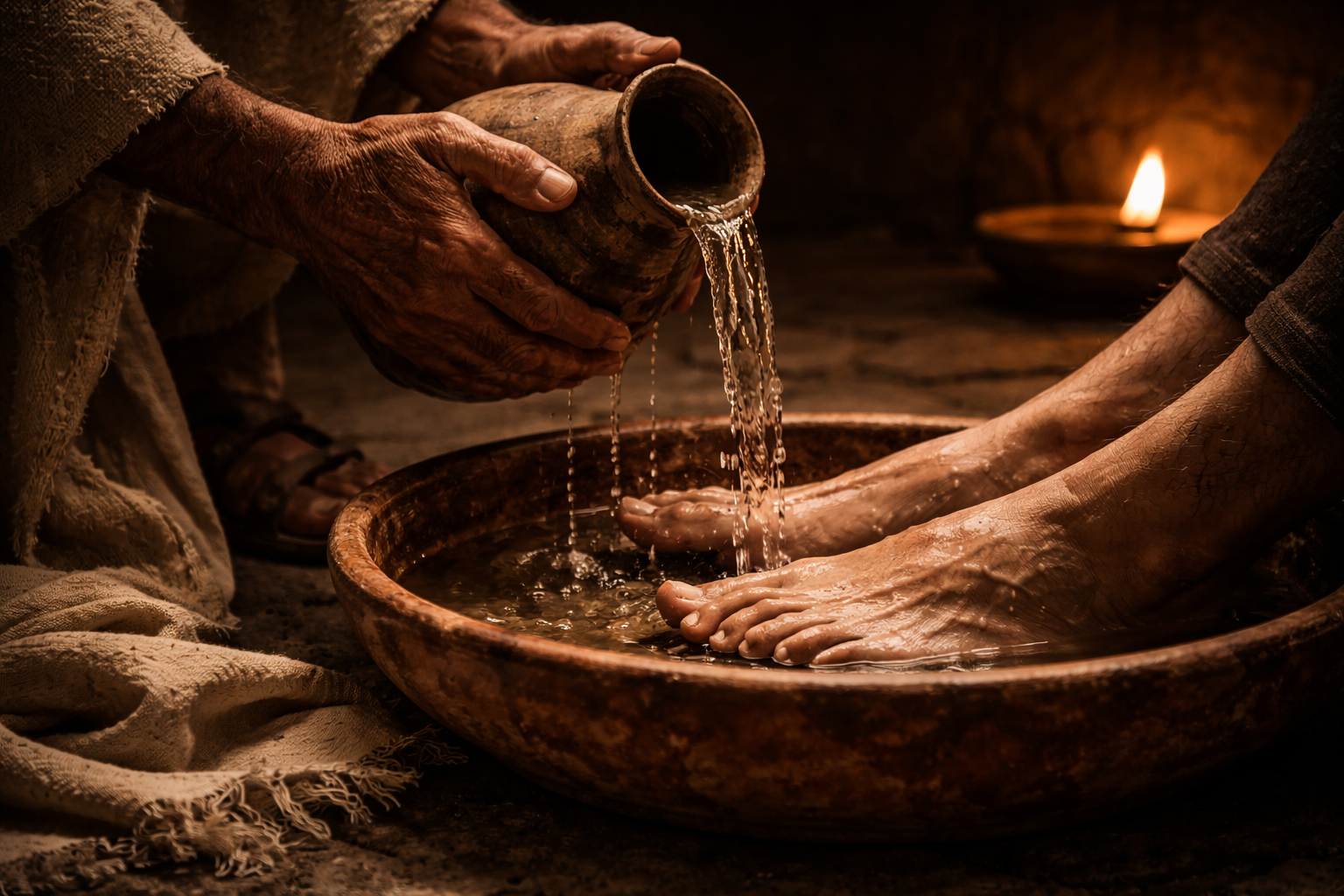
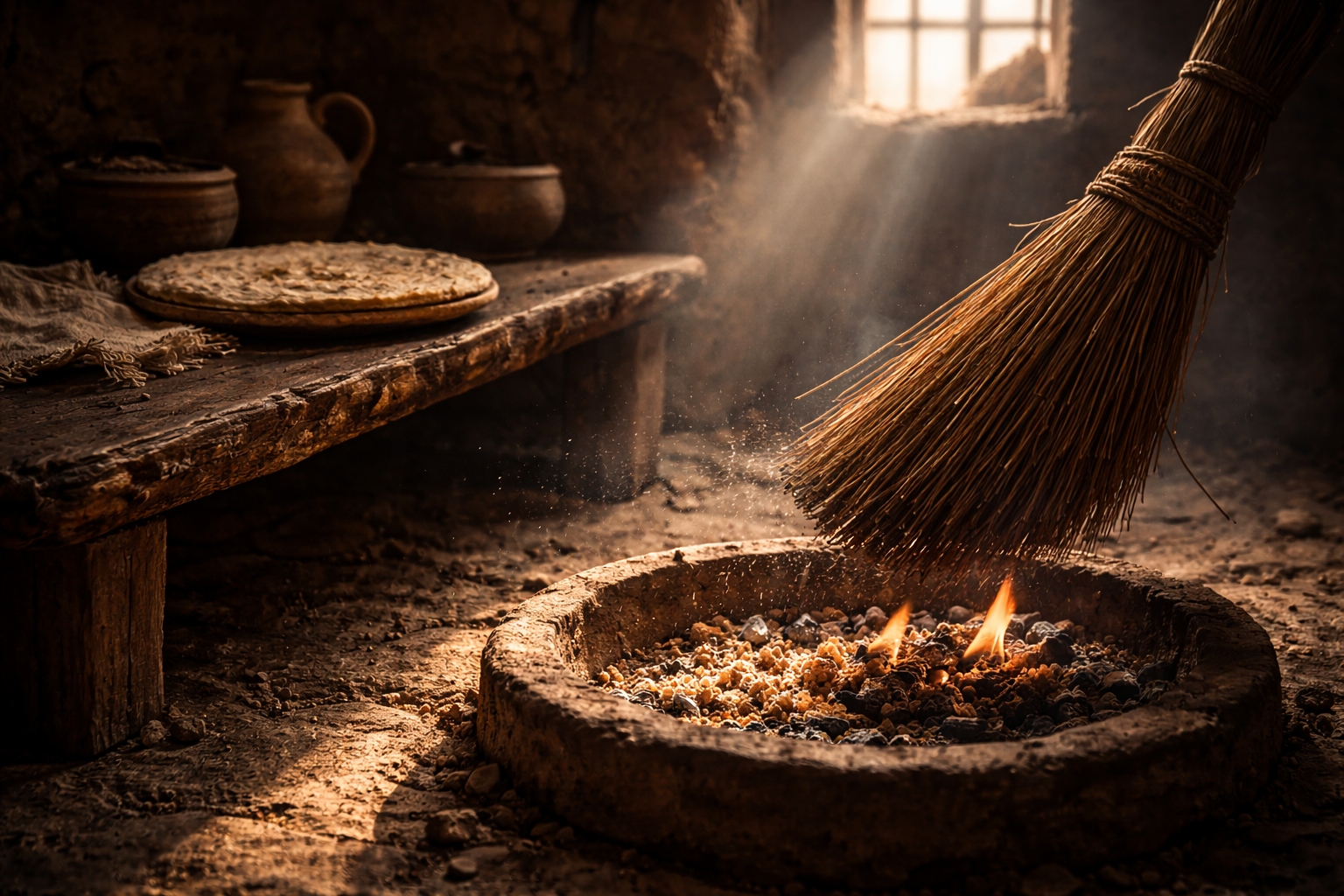
The meal itself must be strictly Matzut—entirely free of leaven. This physical purity mirrors the internal state achieved through the Rachatz Ragaliym (Foot Washing). The Qahal sits at the table as a single, unified body, purged of the leaven of pride and the culture of Matzrayim.
The Bread of Affliction and Life (Matzut)
In the original Exodus, the unleavened bread was the “bread of haste,” representing the sudden extraction from bondage. In the Renewed Covenant, it becomes the representation of the sinless body of the Mashiach—the Word made flesh.
“I am that bread of life. Your fathers did eat manna in the wilderness, and are dead. This is the bread which cometh down from heaven, that a man may eat thereof, and not die. … If any man eat of this bread, he shall live for ever: and the bread that I will give is my flesh, which I will give for the life of the world.”
— Yahuchanan (John) 6:48-51
When the leader of the gathering breaks the Matzut, the Saphah Barurah (Pure Lip) is utilized to acknowledge the Source of all life:
“Baruk atah 𐤉𐤄𐤅𐤄 Alahiynu, Malak HaAulam, HaMutzi lacham man ha’aratz.”
(Blessed are you 𐤉𐤄𐤅𐤄 our Mighty One, King of Eternity, Who brings forth bread from the earth.)
By partaking of the Matzut, the Qahal declares their total dependence on the Mashiach’s sacrifice and their commitment to remain unleavened by the world. As the emissary Sha’ul later recorded:
“The bread which we break, is it not the communion of the body of Mashiach? For we being many are one bread, and one body: for we are all partakers of that one bread.”
— 1 Qorintiym (1 Corinthians) 10:16b-17
The Cup of the Renewed Covenant: The Pure Blood of the Grape
Following the meal, Yahushua elevated the cup. In the Qadamuni protocol, this cup contains the pure “blood of the grape”—unfermented juice that has not been corrupted by the biological process of fermentation (leaven).
“Likewise also the cup after supper, saying, This cup is the renewed covenant in my blood, which is shed for you.”
— Luqas (Luke) 22:20
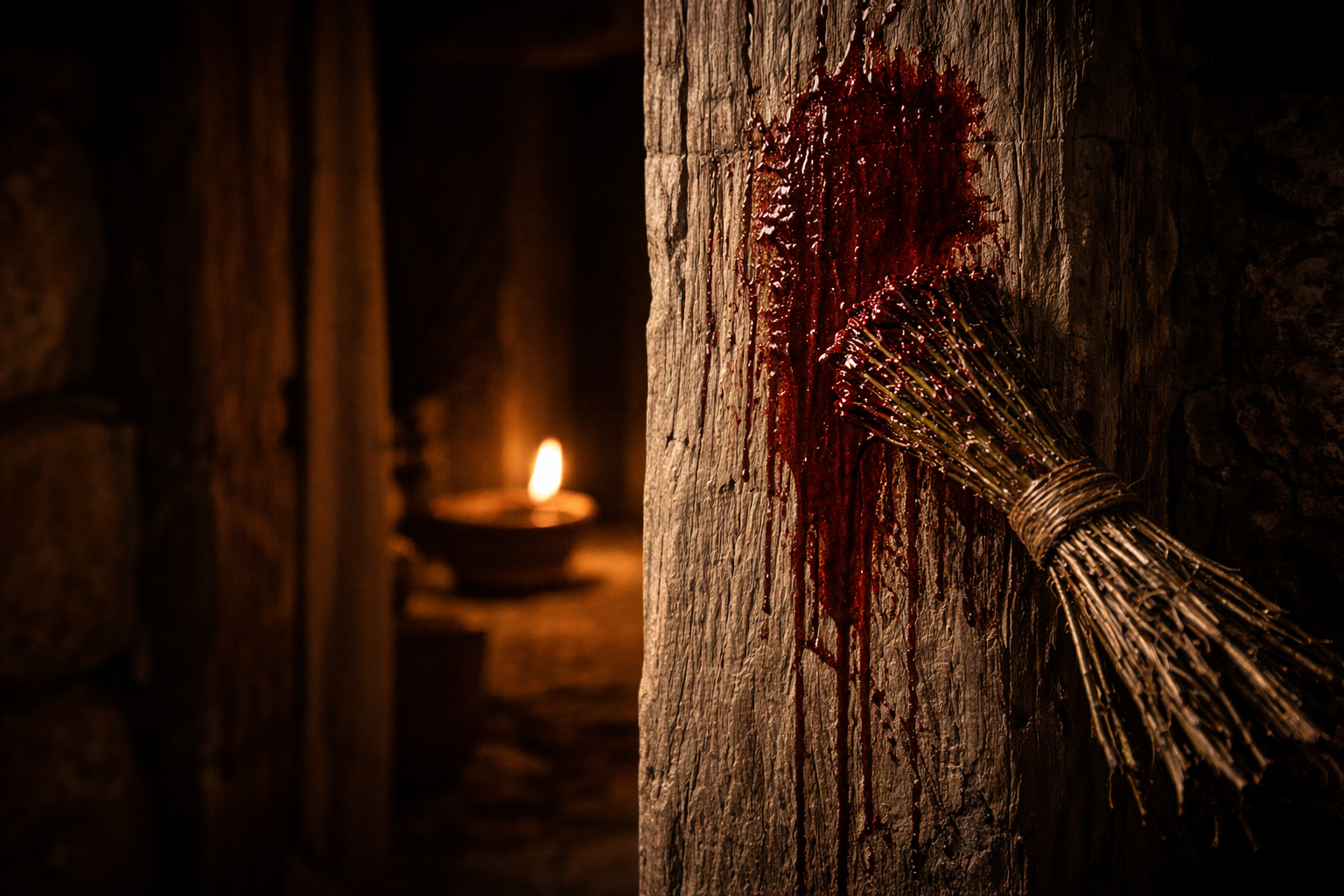
The blood is the legal seal. In the first Pasach, the blood on the doorposts shielded the families from the Destroyer. In the Renewed Covenant, the blood of Yahushua—foreshadowed by the blood of the first covenant at Siynay—shields the Qahal from the second death and preserves the Messianic seed line across the generations.
“And Mushah took the blood, and sprinkled it on the people, and said, Behold the blood of the covenant, which 𐤉𐤄𐤅𐤄 hath made with you concerning all these words.”
— Shamut (Exodus) 24:8
The blessing of the fruit of the vine is recited:
“Baruk atah 𐤉𐤄𐤅𐤄 Alahiynu, Malak HaAulam, Bura pariy hagaphan.”
(Blessed are you 𐤉𐤄𐤅𐤄 our Mighty One, King of Eternity, Creator of the fruit of the vine.)
Yahushua emphasized that he would not drink of this fruit again until the restoration of the Kingdom, anchoring the cup to the future return of the King.
The Acoustic Hallal: Sealing the Perimeter
The Pasach gathering does not conclude with a silent exit. After the meal and the cup, Yahushua and his emissaries engaged in highly structured vocal praise to establish an acoustic shield before entering the darkness of the night.
“And when they had sung an hymn, they went out into the mount of Olives.”
— Matityahu (Matthew) 26:30
This “hymn” consisted of the Tahiliym (Psalms) 113 through 118, known as the Hallal. This is the final activation of the acoustic shield. The Qahal utilizes the Saphah Barurah to vibrate the atmosphere with the praises of 𐤉𐤄𐤅𐤄, sealing the perimeter of the home. Within these Tahiliym, the Qahal finds the very prophecy of the cup they have just consumed:
“I will take the cup of salvation, and call upon the name of 𐤉𐤄𐤅𐤄.”
— Tahiliym (Psalm) 116:13
From Shadow to Substance
Through the Pasach Sa’udah, the remnant moves from the historical shadow of Matzrayim into the living substance of the Mashiach. We eat the bread of life and drink the cup of the covenant, not as a religious habit, but as a biological and spiritual necessity. We are marked. We are quarantined. We are redeemed. By observing this memorial “until he comes,” we maintain the frequency of the Heavens in the midst of the dissonance of Babylon.
Study Path
Continue the Maw'adiym Path
Follow the next step in this appointed-time sequence through the linked Maw'adiym studies below. These connected articles help keep the full chronology, feast structure, and restoration flow together as one study path.