Chag HaSukut: The Feast of Tabernacles
A Feast of Tabernacles overview on dwelling in booths, final ingathering, and the kingdom pattern of Sukkot.
SERIES 7: CHAG HASUKUT (THE FEAST OF TABERNACLES)
Foundational Overview: Dwelling in the Presence of the King
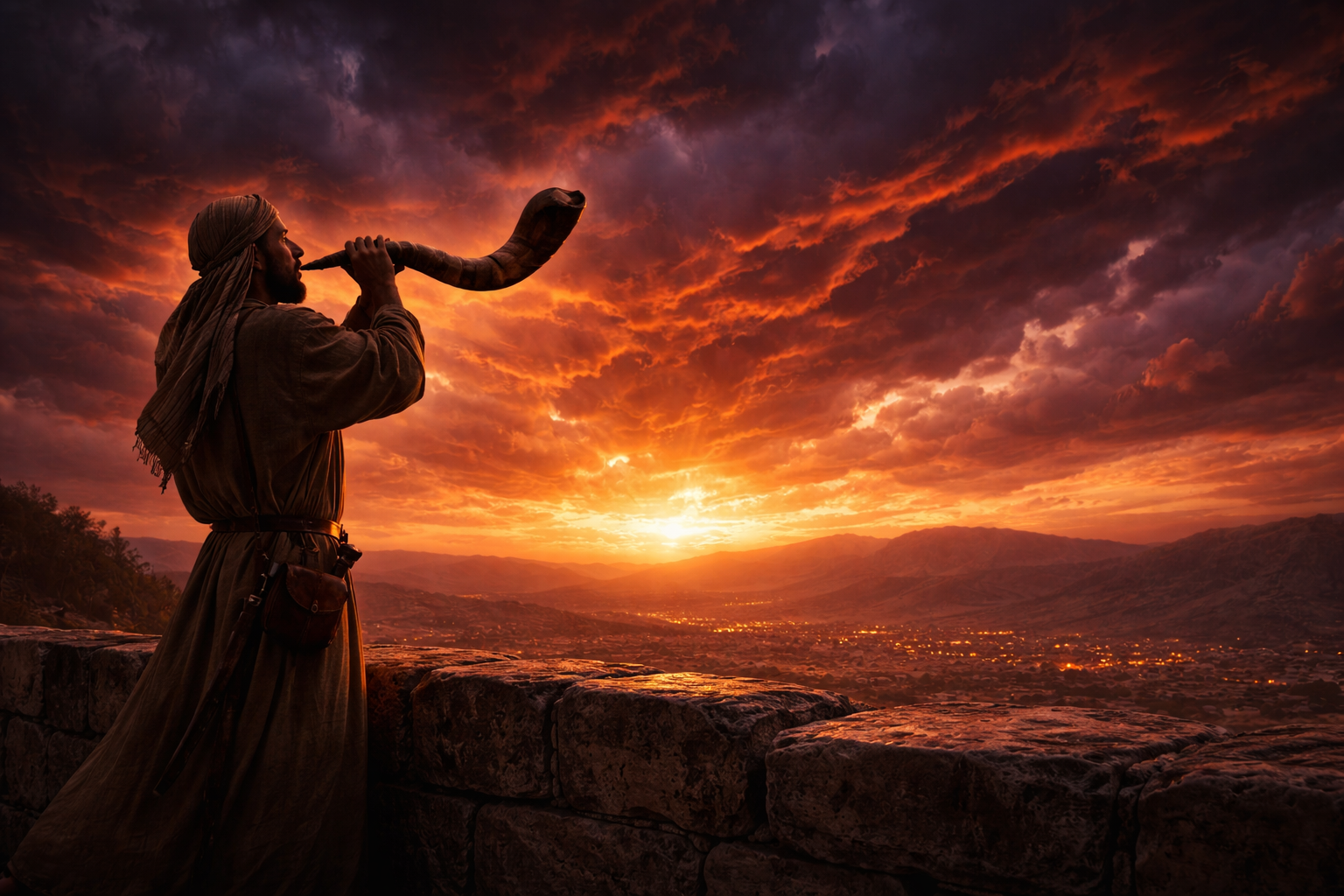
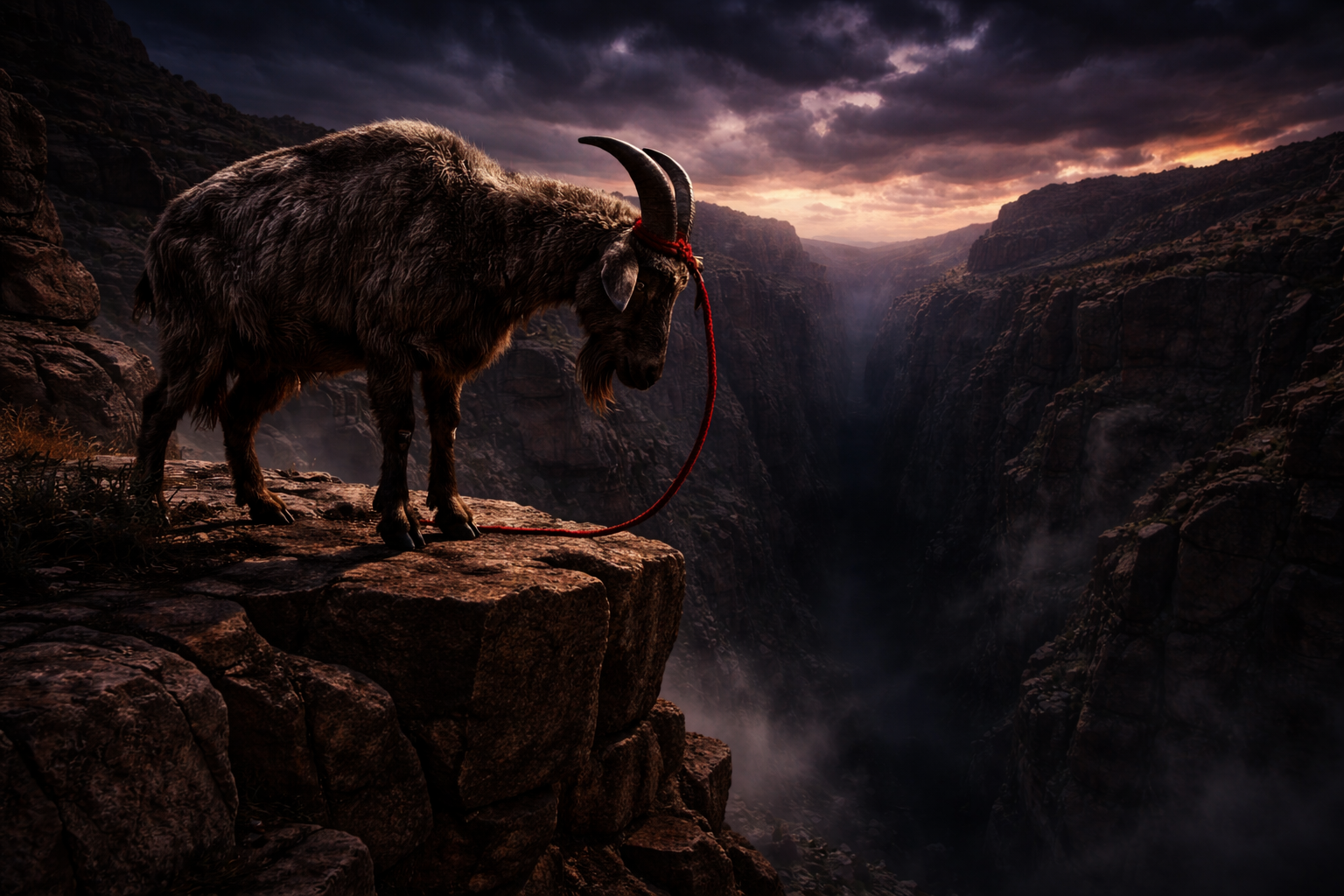
The Fall Intersections execute a rapid, intense sequence of prophetic events. Yum Taru’ah sounded the acoustic alarm. Yum Kipuriym forced the biological reset of the fast, applied the atoning blood in the Heavenly Haykal, and permanently removed the camp’s transgression into the abyss.
Because the camp of Yashar’al is now legally, biologically, and acoustically immaculate, the ultimate purpose of the terrestrial calendar can be fulfilled: 𐤉𐤄𐤅𐤄 can safely tabernacle (dwell) among His people without consuming them. This is Chag HaSukut (The Feast of Tabernacles).
The Commandment: The Season of Rejoicing
Chag HaSukut is a mandatory seven-day appointed time that immediately follows the purification of the tenth day. It begins on the 15th day of the seventh month and concludes on the 21st day.
“Speak unto the children of Yashar’al, saying, The fifteenth day of this seventh month shall be the feast of tabernacles (Sukut) for seven days unto 𐤉𐤄𐤅𐤄. On the first day shall be an holy convocation: ye shall do no servile work therein.”
— Wayiqra (Leviticus) 23:34-35
In stark contrast to the affliction and fasting of Yum Kipuriym, Chag HaSukut is commanded to be a season of immense joy and celebration. The Qahal gathers the final harvest of the year and rejoices before the Creator, acknowledging His absolute provision.
“And ye shall rejoice before 𐤉𐤄𐤅𐤄 your Alahiym seven days.”
— Wayiqra (Leviticus) 23:40b
The Mechanics of the Sukkah
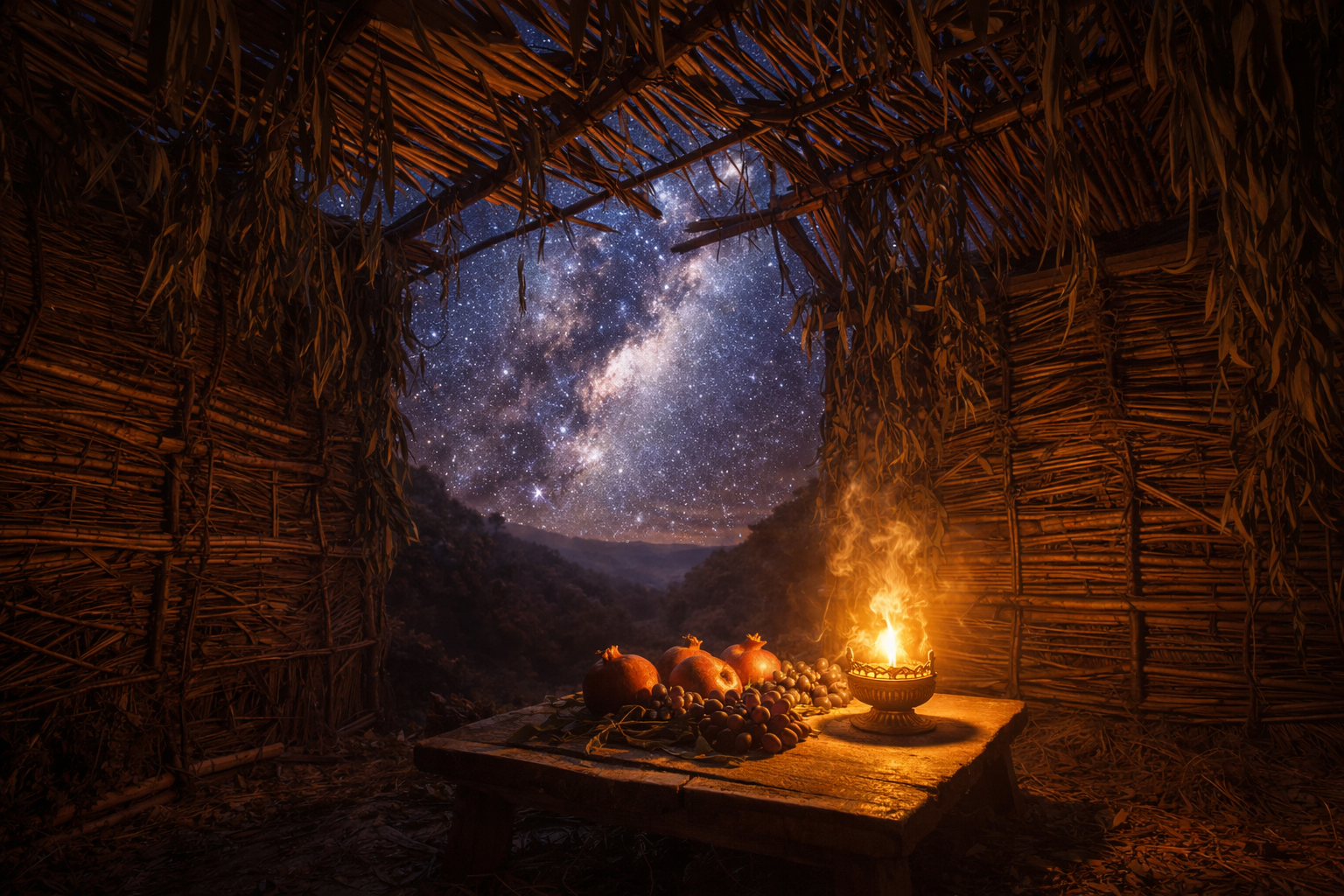
The defining characteristic of this feast is the command to construct and dwell in temporary, fragile shelters called Sukut (plural of Sukkah).
“Ye shall dwell in booths (Sukut) seven days; all that are Yashar’al born shall dwell in booths: That your generations may know that I made the children of Yashar’al to dwell in booths, when I brought them out of the land of Matzrayim: I am 𐤉𐤄𐤅𐤄 your Alahiym.”
— Wayiqra (Leviticus) 23:42-43
The Sukkah is a biophysical reminder of terrestrial exile. It is built of temporary, organic materials (branches, leaves, wood) and must have a roof sparse enough to see the stars of the Heavens. By leaving the permanent, secure walls of their regular houses to sleep in these fragile structures, the Qahal physically rehearses their total reliance on the protection of 𐤉𐤄𐤅𐤄, rejecting the false security of Babylon.
The Prophetic Endgame: The Millennial Tabernacle
While the Spring Intersections were fulfilled at the first arrival of Yahushua, Chag HaSukut is the great unfulfilled prophetic coordinate. It points directly to the millennial reign of the Mashiach.
When the King returns—having resurrected the dead at Yum Taru’ah and judged the earth—He will establish His physical throne in Yarushalayim. The frequency of the Heavenly Haykal will literally “tabernacle” with the physical earth.
“And I heard a great voice out of heaven saying, Behold, the tabernacle of Alahiym is with men, and he will dwell with them, and they shall be his people, and Alahiym himself shall be with them, and be their Alahiym.”
— Chazun (Revelation) 21:3
Every year, when the remnant builds their Sukut, they are constructing a physical prototype of the coming Kingdom. They are actively declaring that this corrupted world is not their final home, and they are preparing the camp for the arrival of the ultimate Tirshatha (Governor).
The Scope of Series 7
In this series, we will examine the architectural and prophetic dimensions of the seven-day feast across three distinct articles:
-
Article 7.1: The Temporary Dwellings explores the biophysics of the Sukkah, the reality of the Biological Mishkan (our mortal bodies), and the mandate to remember the wilderness extraction.
-
Article 7.2: The Final Ingathering (Chag HaAsiph) focuses on the prophetic completion of the agricultural cycle, the extraction of the scattered remnant from the four corners of the earth, and the great harvest at the end of the age.
-
Article 7.3: The Millennial Tabernacle details the ultimate prophetic fulfillment: the King establishing His physical throne in Yarushalayim, the Kabad resting upon the earth, and the nations coming up to keep the feast.
The fast is broken. The harvest is gathered. The King is entering the camp.
Study Path
Continue the Maw'adiym Path
Follow the next step in this appointed-time sequence through the linked Maw'adiym studies below. These connected articles help keep the full chronology, feast structure, and restoration flow together as one study path.